
Hide & Seek: Neighborhood Art Space: Feminist Curating, Femtorship, and Community
Aug 18, 2026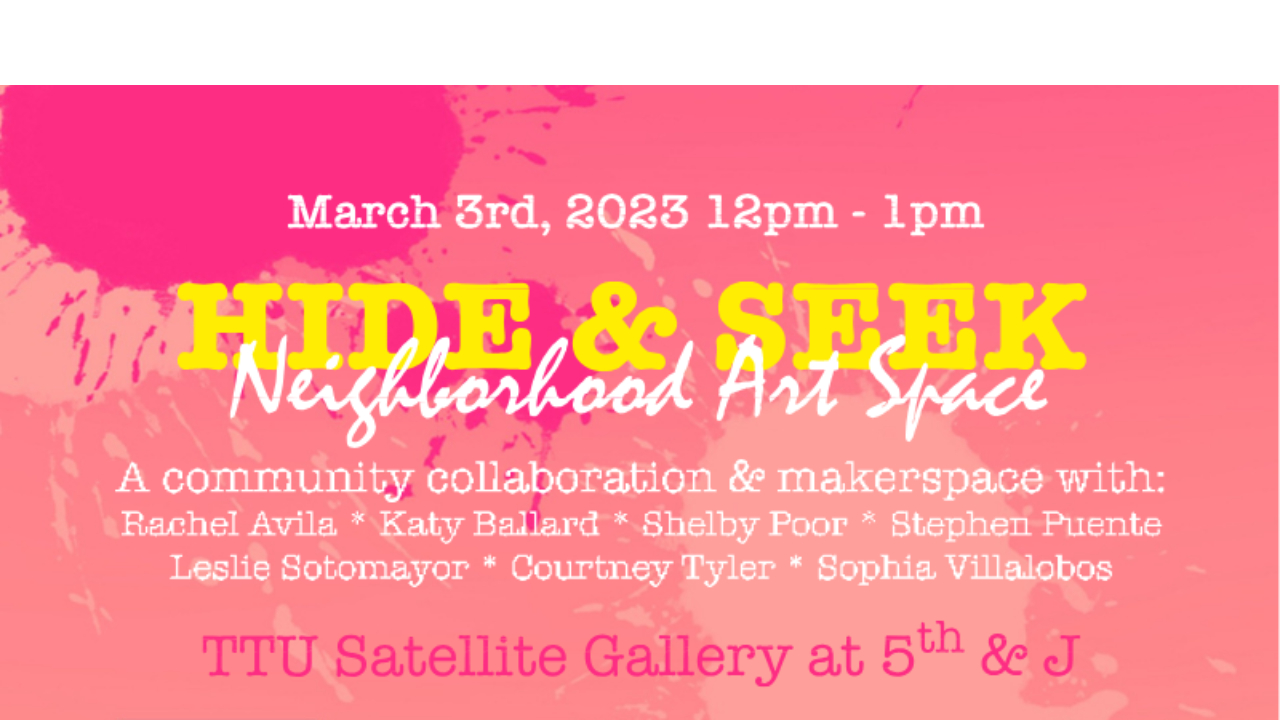
Hide & Seek: Feminist Curating, Femtorship, and Community
What does it mean to be a feminist + educator + artist?
The answer did not arrive all at once.
It emerged through conversations. Text messages. Shared documents. Long discussions in studio spaces, over coffee, at kitchen tables, and through collaborative writing. We found ourselves returning to the same questions again and again about our work, our communities, and the many roles we carry as artists, educators, researchers, activists, caregivers, and lifelong learners.
Over time, these fragmented dialogues began to gather like materials in a studio. Ideas, stories, questions, notes, and experiences accumulated and became something larger than any one conversation. Together, they formed an exploration of how intersectional feminism shapes artistic practice, education, activism, and community building.
We examined how underrepresented populations historically and contemporarily navigate artmaking and activism that reflects or provokes social change within our communities. We define the arts as extending beyond the visual arts to include writing, dancing, music, and performance as holistic, embodied experiences and sites of creative expression.
How Hide & Seek Began
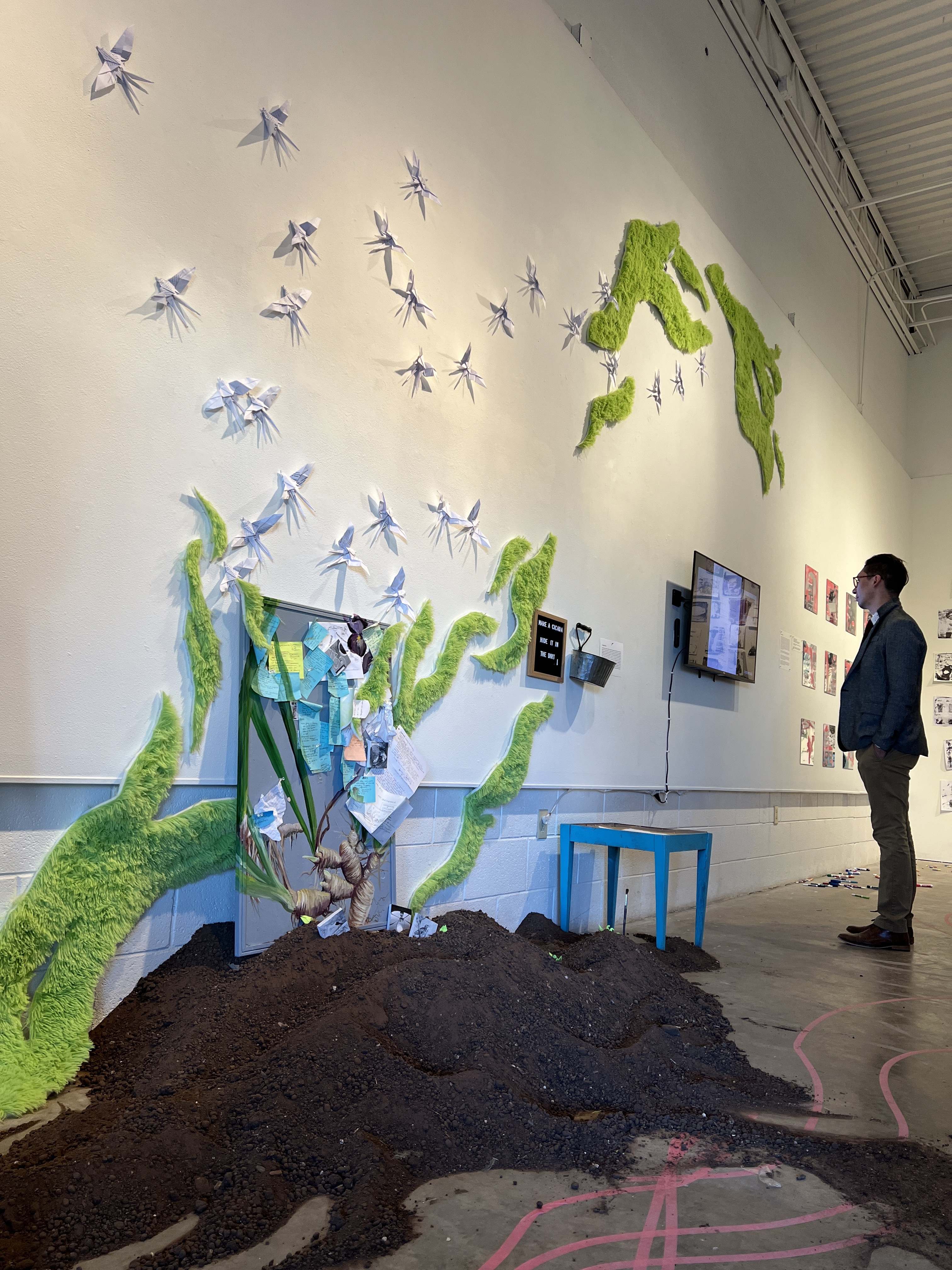
Hide & Seek did not begin as an exhibition. It began with relationships.
The project grew out of a mentoring relationship between Leslie and one of her students. Together, they began imagining an exhibition that could explore questions of identity, visibility, community, and feminist practice. As the project evolved, Leslie invited me into the conversation.
At that point in my life, I was returning more fully to academic work. I had continued teaching, but I was also finding my way back to curating, publishing, research, and the scholarly conversations that had shaped so much of my earlier career.
Looking back, I realize that this invitation was itself an act of femtorship.
Leslie created space for me to step back into work that mattered deeply to me. She shared ideas, opportunities, encouragement, and trust. The exhibition became a place where mentorship moved beyond traditional models of expertise and became something more reciprocal, collaborative, and community-centered.
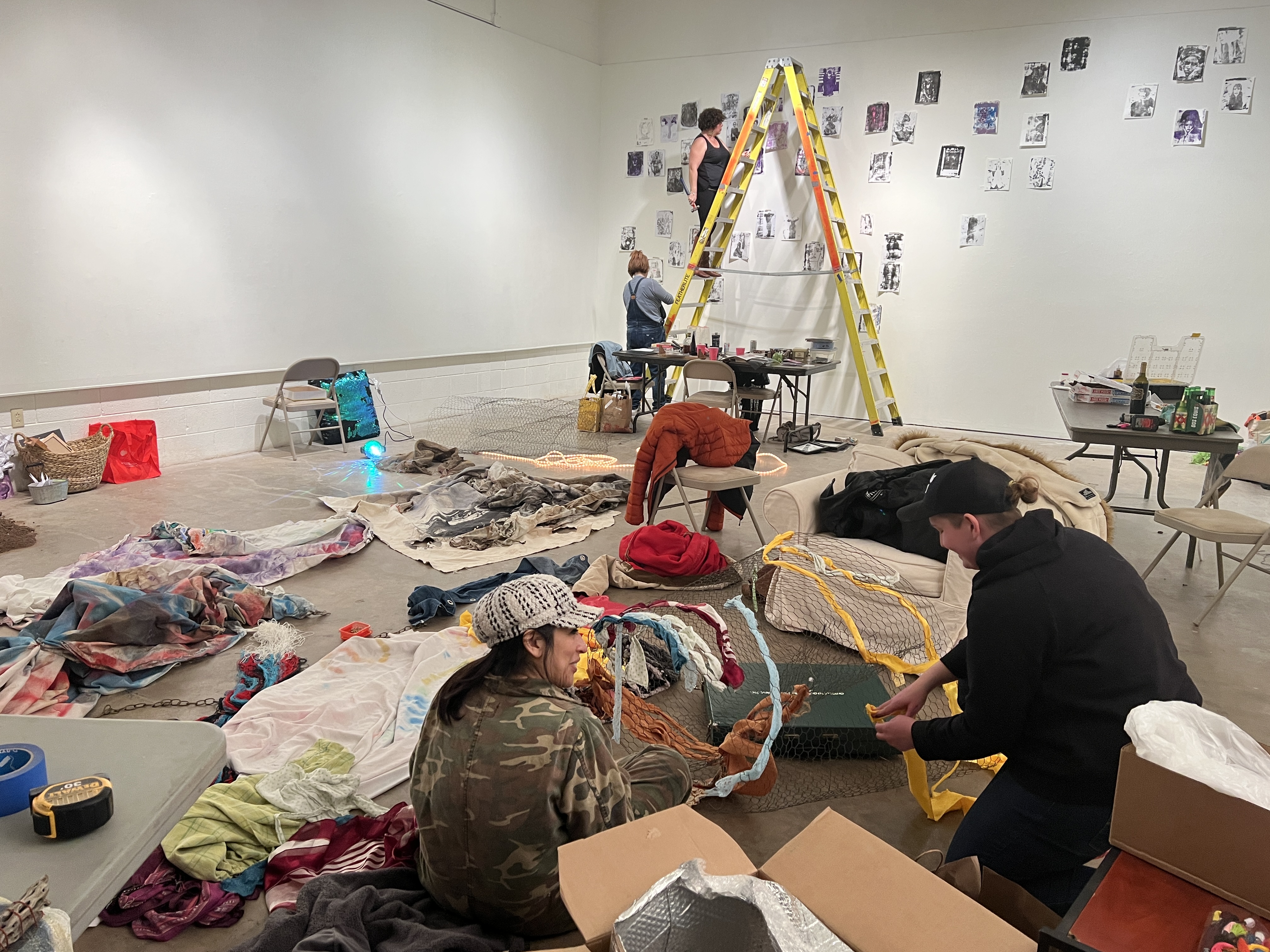
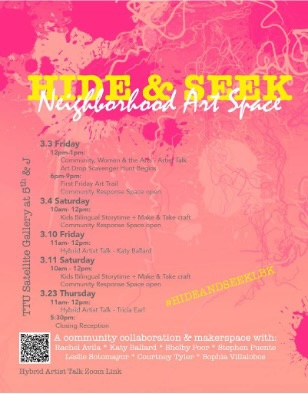
As additional artists joined the project, Hide & Seek evolved into a community of people supporting one another through the creative process. The exhibition was built through conversations, shared labor, artistic experimentation, mutual encouragement, and collective meaning-making.
Long before visitors entered the gallery, Hide & Seek was already functioning as a feminist space of connection, learning, and care.
Curating as Feminist Community Practice
As the exhibition developed, we found ourselves returning to a simple question: What if curating was not only about selecting artwork? What if it was also about creating the conditions for connection?
The conversations that shaped Hide & Seek were as important as the objects themselves. The exhibition emerged from relationships, shared questions, and the collective work of artists, educators, activists, and community members learning from one another.
At the center of this work is a simple but demanding thesis: curating can be more than the organization of artworks in a gallery. It can become a feminist practice of relation, responsibility, and community-building. In this framework, the curator is not positioned as a distant authority who selects, explains, and controls meaning. Instead, curating becomes a shared process of listening, gathering, witnessing, and making space for voices, bodies, histories, and experiences that are too often pushed to the margins.
This approach understands exhibition-making as a form of care. It asks what an exhibition can do for the people who make it, enter it, learn from it, and recognize themselves within it. Rather than treating art as separate from lived experience, feminist curating attends to the relationships that surround the work: between artists, educators, visitors, communities, and the social conditions that shape them.
Femtorship and the Politics of Relation
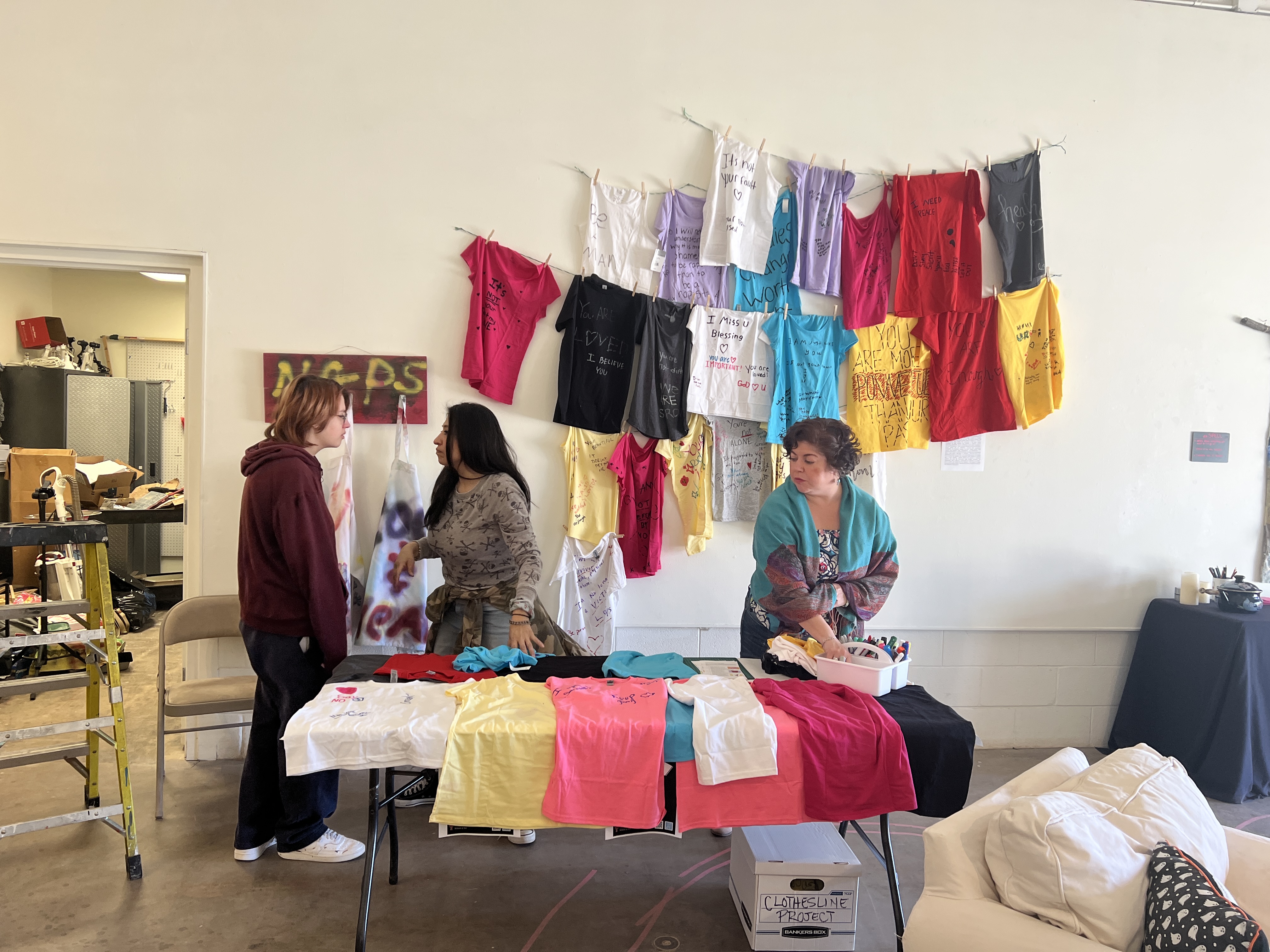
Throughout the process, we found ourselves talking less about expertise and more about exchange. Some people brought years of experience. Others brought stories, questions, or different ways of seeing. Everyone contributed something meaningful.
A key concept in this practice is femtorship. Unlike traditional mentorship models that often move in one direction, from expert to learner, femtorship is relational, reciprocal, and grounded in feminist accountability. It values lived knowledge, intergenerational exchange, and the collective production of understanding.
Femtorship creates space for people to learn with and from one another. It resists the idea that knowledge belongs only to institutions or credentialed experts. Instead, it recognizes the classroom, the gallery, the community gathering, and the informal conversation as meaningful sites of feminist education. In this sense, curating becomes pedagogical. It teaches not only through wall text or programming, but through the relationships it makes possible.
An Anzaldúan Framework for Curatorial Practice
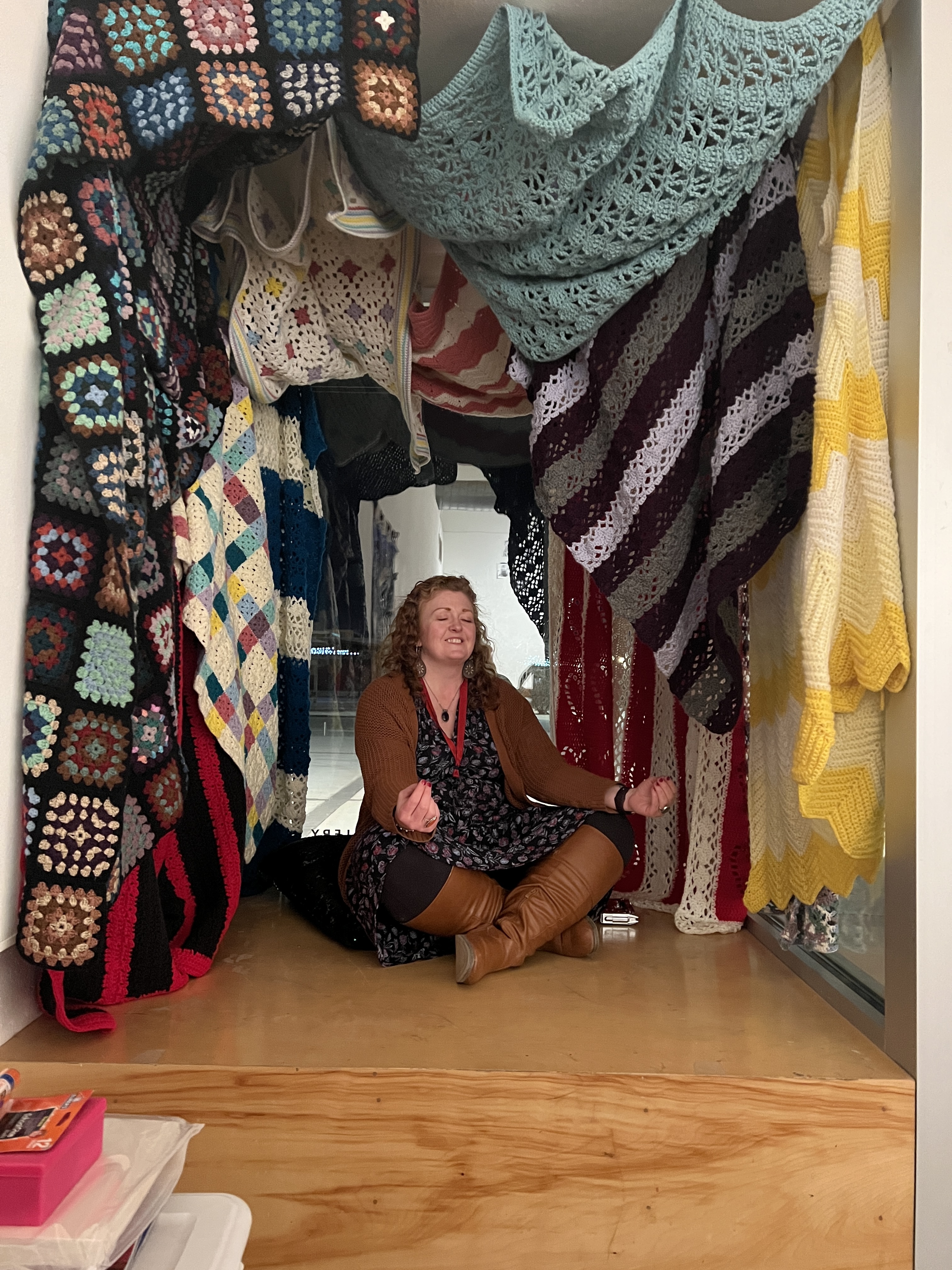
Many of us carry multiple identities at once: artist, educator, activist, parent, student, caregiver, organizer, friend. Those identities rarely fit neatly into categories, and neither did the exhibition.
This feminist curatorial approach draws from an Anzaldúan framework, especially the idea that identity, knowledge, and creative practice are formed in border spaces. These are spaces of tension, crossing, contradiction, and transformation. Rather than seeking neat categories or fixed meanings, an Anzaldúan lens allows the exhibition to hold complexity.
Through this framework, curating becomes a way to honor layered identities and embodied knowledge. It allows for the coexistence of personal memory, cultural history, political struggle, and creative expression. It also challenges the separation between theory and lived experience. Knowledge is not only written or spoken. It is felt, carried, remembered, performed, and made visible through art.
Artivism and Communitarian Art Education
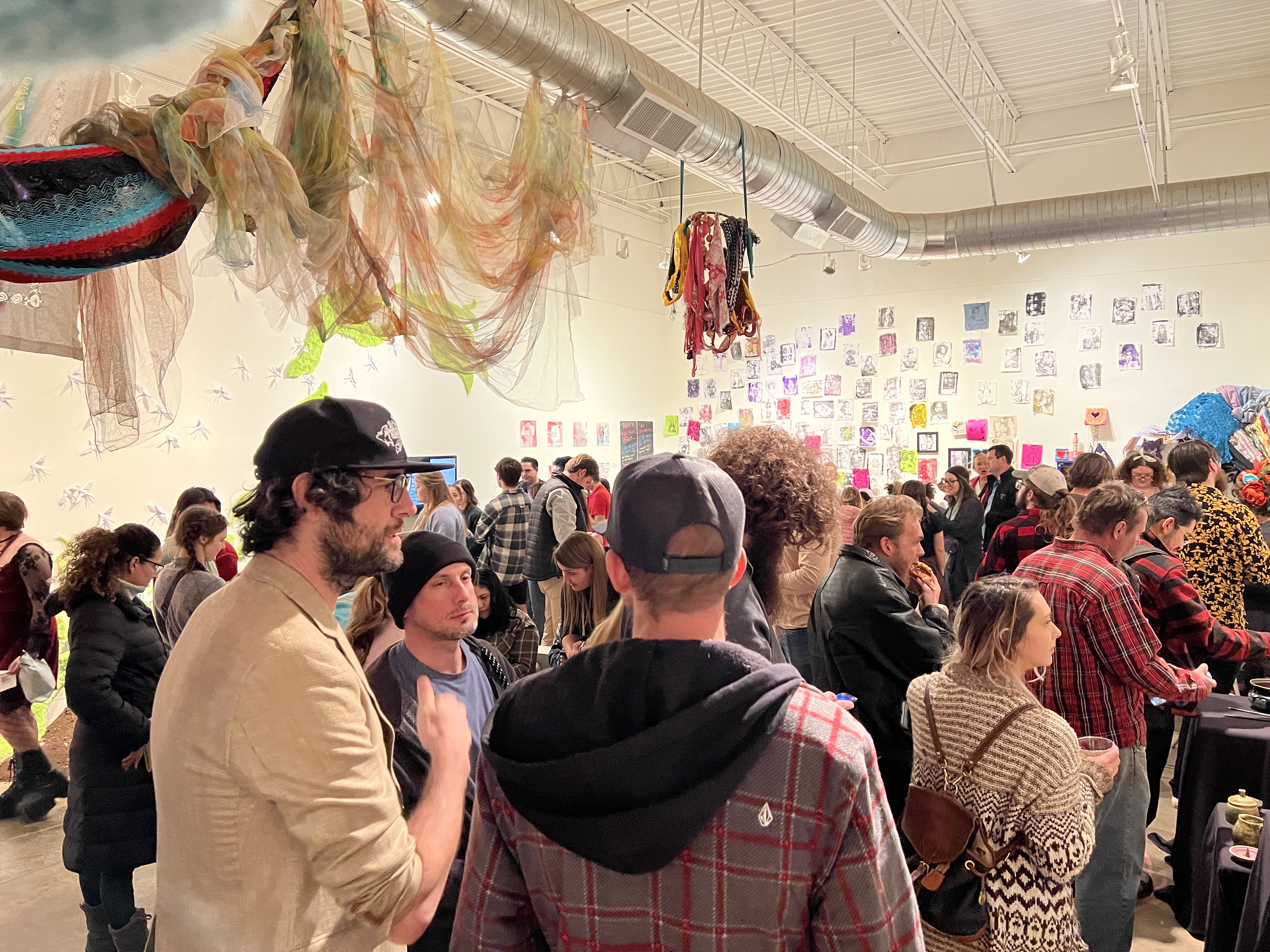
As educators, we often ask what people learn from an exhibition. During this project, we found ourselves asking a different question: What kinds of conversations become possible because a space exists for them?
The work also belongs to a tradition of artivism, where art and activism meet as a practice of social imagination. Artivism does not treat art as decoration or activism as separate from creativity. It understands cultural production as a way to name harm, build solidarity, and envision more just futures.
Connected to this is communitarian art education. This approach centers community as both the source and site of learning. It asks how art education can move beyond individual achievement and toward collective meaning-making. Within this model, education is not only about interpreting artworks correctly. It is about creating conditions where people can connect their own experiences to broader histories, struggles, and possibilities.
Curatorial Pillars
The curatorial work is shaped by several feminist pillars: community, embodiment, accessibility, care, and dialogue. These pillars guide not only what is shown, but how the exhibition is made and experienced.
Community means that the exhibition is not imagined as an isolated cultural event. It is connected to the people, stories, and relationships that give it meaning. Embodiment reminds us that visitors do not encounter art as disembodied viewers. They arrive with memories, identities, emotions, and physical needs. Accessibility insists that an exhibition must consider who can enter, participate, understand, and feel welcome. Care shapes the tone and structure of the space. Dialogue keeps meaning open, allowing visitors and participants to bring their own knowledge into the encounter.
Together, these pillars resist extractive or hierarchical models of curation. They propose a more accountable way of working, one that treats the exhibition as a living space of exchange.
Hide & Seek as Feminist Exhibition Practice
By this point, Hide & Seek had become more than an exhibition title. It had become a way of thinking about visibility, recognition, vulnerability, and connection. Some stories remain hidden intentionally. Others remain hidden because there has never been a space created for them to be shared.
Within this framework, Hide & Seek functions as more than an exhibition title. It becomes a curatorial inquiry into visibility, concealment, recognition, and relation. The exhibition's purpose is tied to the feminist work of bringing forward what is often hidden, overlooked, or made difficult to name.
Its features reflect this commitment to community-based and pedagogical practice. The exhibition is understood not only through the artworks it presents, but through the forms of engagement it makes possible. It invites reflection, conversation, and participation. It asks visitors to consider what is seen, what remains obscured, and who has the power to decide which stories become visible.
In this way, Hide & Seek aligns with feminist curating as a practice of artivism and education. It creates a space where personal and collective experiences can be encountered as forms of knowledge. It also demonstrates how an exhibition can operate as a site of femtorship, where learning happens through proximity, exchange, and shared attention.
Community Engagement as Method
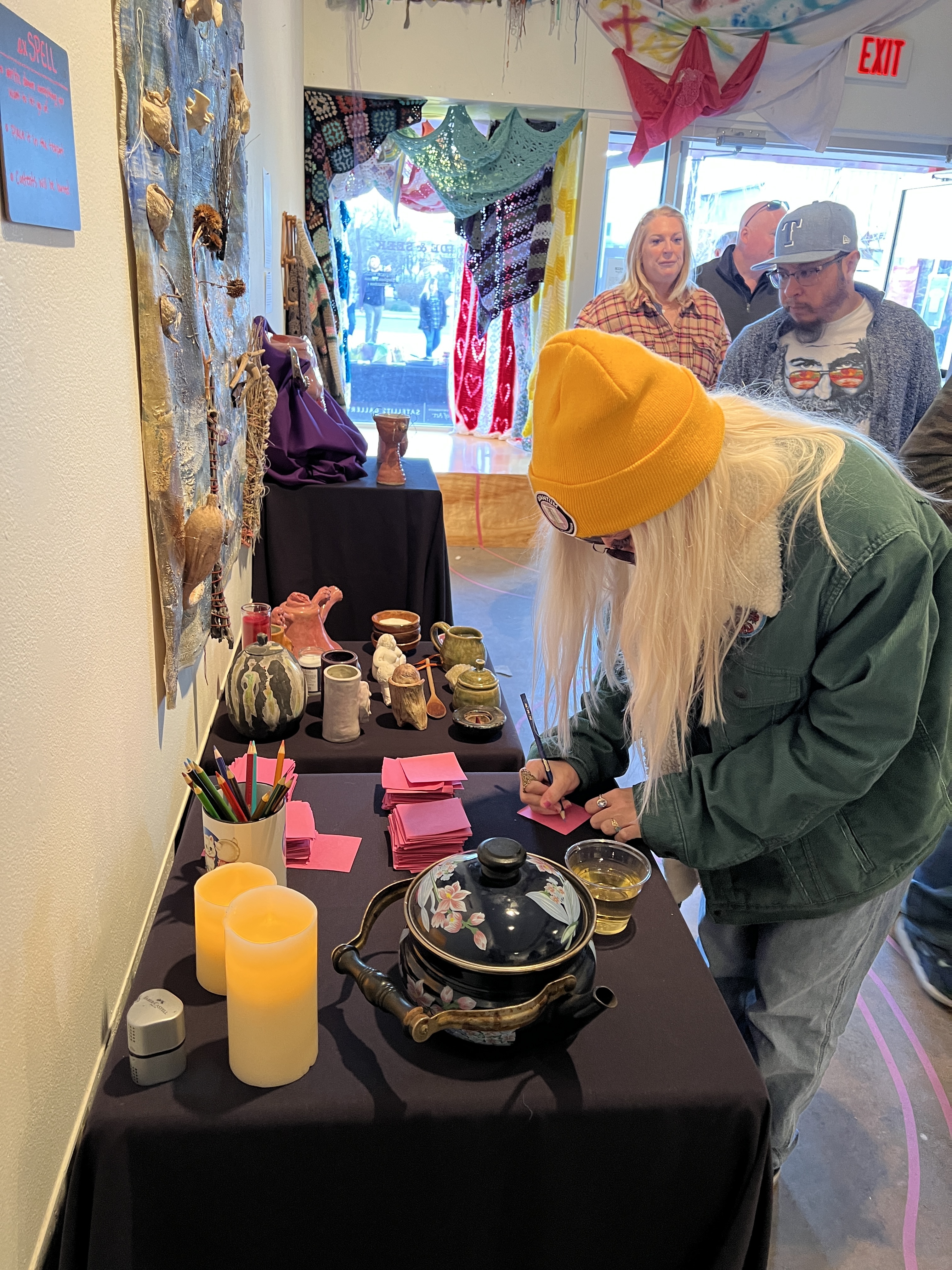
Community engagement is not an addition to this curatorial model. It is the method itself.
The exhibition's meaning is formed through relationships with the people who contribute to it, move through it, and respond to it. This shifts the role of the visitor from passive observer to participant in a larger conversation.
Engagement, in this sense, is not only measured by attendance or programming. It is found in the moments when people recognize themselves, encounter difference, ask questions, or make connections between the artwork and their own lives. Feminist curating values these moments because they show how exhibitions can become spaces of communal reflection.
Embodiment and Accessibility
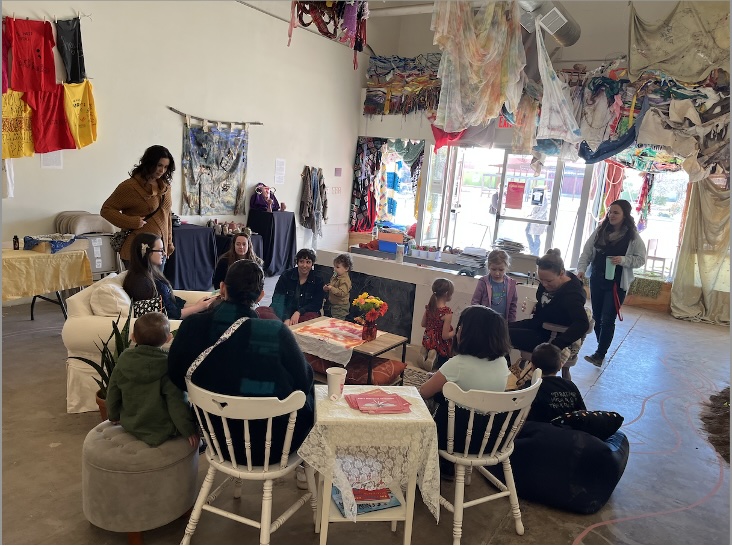
Embodiment is central to this practice because feminist education begins from lived experience. Bodies carry histories of gender, race, class, migration, ability, sexuality, and belonging. To curate with embodiment in mind is to acknowledge that people experience exhibitions differently.
Accessibility is part of that acknowledgement. It asks the curator to think carefully about how people enter the space, how they move through it, how information is shared, and how welcome they feel. Accessibility is not only a technical concern. It is an ethical one. A feminist exhibition cannot claim to center community while ignoring the conditions that shape participation.
Challenges and Unfinished Tensions
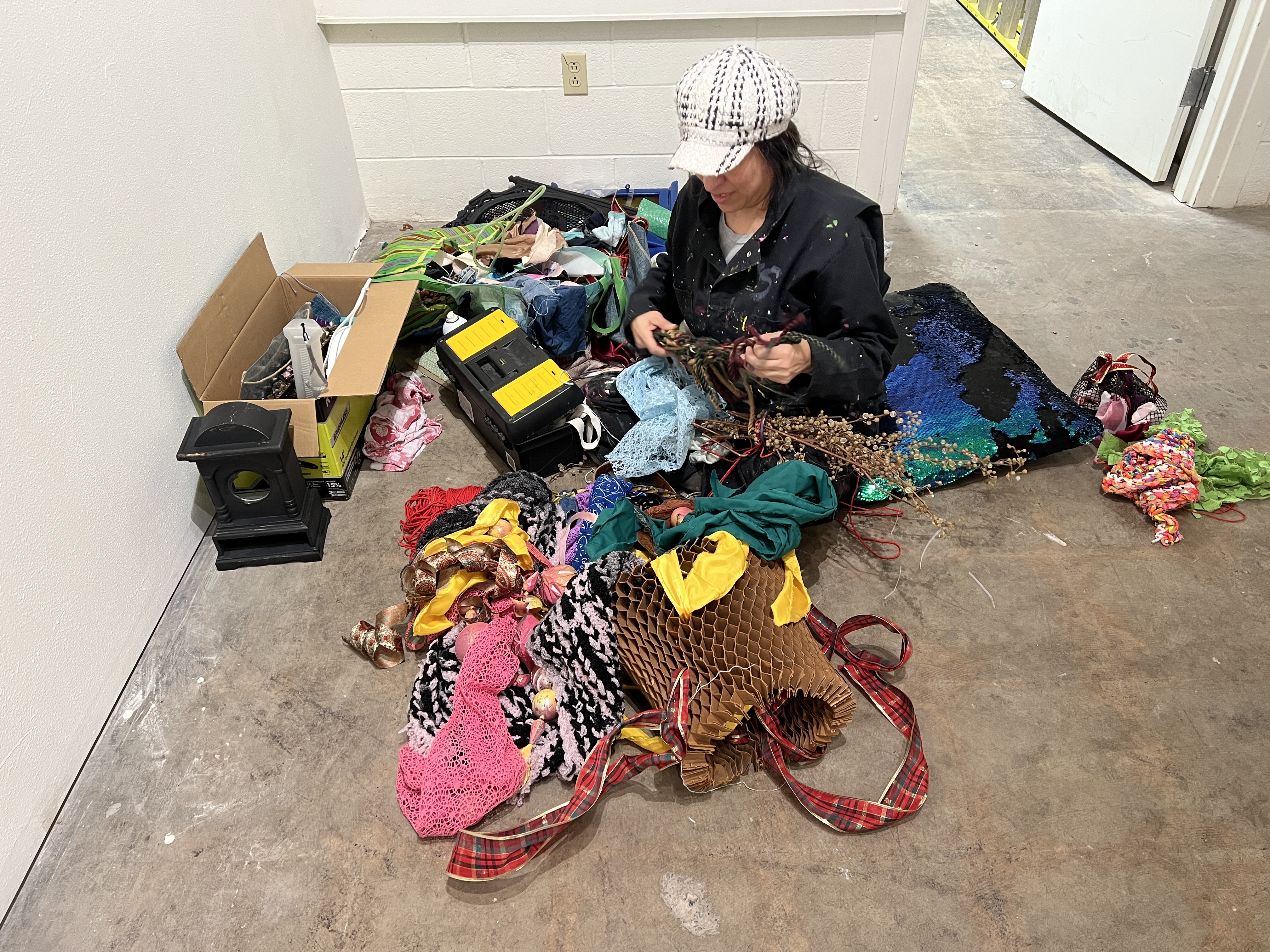
Like the communities it hopes to serve, feminist curatorial practice remains unfinished. It is a practice rather than a destination.
Community-based feminist work requires time, trust, and ongoing accountability. It asks curators and educators to navigate institutional expectations while remaining responsible to the communities and relationships at the heart of the work.
It also requires attention to the tensions between visibility and vulnerability, care and labor, inclusion and extraction. These tensions cannot be resolved through intention alone. They must be held carefully within the practice itself.
The work of feminist curating is never fully complete. Like femtorship itself, it continues through relationships, conversations, and the communities we build together.
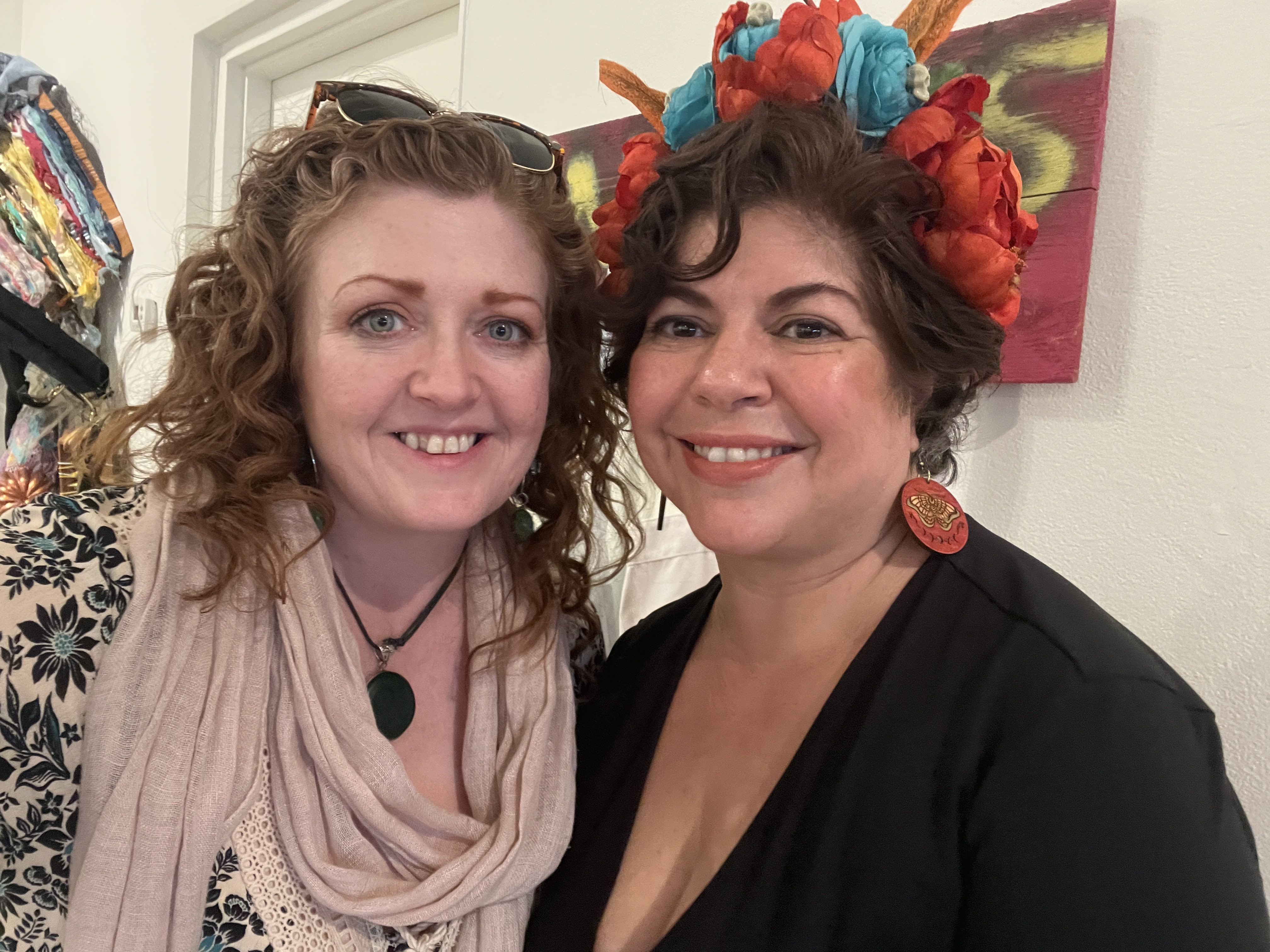
WTF: The Other F Word is a warm, artist-led space for curious creatives ready to trust themselves, honor their boundaries, and build a practice that feels honest, sustainable, and fully their own.
Stay in the loop
Get new episodes, notes, and artist-led reflections from WTF: The Other F Word. Thoughtful updates for creatives exploring self-trust, care, and feminist practice.
Occasional emails only. No spam, no gatekeeping, and you can unsubscribe anytime.