Madres Radicales & How it Started
Sep 01, 2026
Madres Radicales
Madres Radicales unfolded through four site-responsive and virtual iterations, gathering artists, caregivers, and community members into shared spaces of making, witnessing, and reflection. Across each version, the project asked what becomes possible when mothering is understood not only as a private role, but as a radical practice rooted in empathy, vulnerability, love, and collective care.
The project began with questions that are both intimate and expansive: Who is a madre? Who mothers? What role do madres play in our communities, our families, our movements, and our societies? Rather than offering a single answer, Madres Radicales created space for many lived responses. It held mothering as action, as embodied experience, and as a force that moves beyond domestic spaces into art, memory, public life, and community transformation.
The name Madres Radicales was coined by Sotomayor, Ballard, and Villalobos through a process of self-theorizing as artists, caregivers, and badass women. In kitchen conversations over coffee, in backyards filled with art-making, and in the everyday labor of care, they began naming the creative and political power already present in their lives. The project grew from that place: from conversation, friendship, co-mothering, and the desire to create new stories about what mothering can be.
At its heart, Madres Radicales is a practice of femtorship: a way of learning from and alongside one another through creative acts, shared vulnerability, and intergenerational care. It honors the comadre, the co-mother, and the intimate bonds that help people survive, create, and continue. These relationships are not secondary to the work. They are the work.
One powerful expression of this work emerged through altar and spiritual artivism. Using fabrics from a late mother’s collection alongside personal altar objects, artists created spaces of remembrance, devotion, and transformation. These works held the tenderness of loss and the strength of lineage, reminding us that mothering can extend across time, ancestry, and spirit.
Madres Radicales refuses a narrow definition of motherhood. It invites a wider understanding of madre as caregiver, maker, witness, protector, mentor, comadre, ancestor, artist, and community-builder. It asks us to see radical mothering as a living practice: one that creates new stories, nurtures collective healing, and insists that love itself can be a creative and social force.
Like many community-based projects, however, Madres Radicales did not begin as a fully formed idea. It grew through friendships, creative collaborations, long conversations, shared meals, and the everyday work of caring for one another. Before Madres Radicales became an exhibition series, a workshop, or a gathering, it was a relationship.
For us, the story begins there.
Madres Radicales: Before There Was WTF
Before there was WTF: The Other F Word, a community grounded in creative acts, femtorship, and feminist practice, there was Hide and Seek: Neighborhood Art Space.
In our previous blog, we shared the story of Hide and Seek: Neighborhood Art Space and reflected on feminist curating and femtorship. It was through that project that Leslie C. Sotomayor and I met artist Sophia Villalobos. What began as a creative collaboration soon became a friendship and a series of conversations that stretched between Taos, New Mexico, and Lubbock, Texas.
Looking back, many of the values that now shape WTF were already taking root through our creative work, friendships, and shared commitment to community. The language of femtorship would come later, but ideas about care, community, creative collaboration, and radical mothering were already guiding our work.
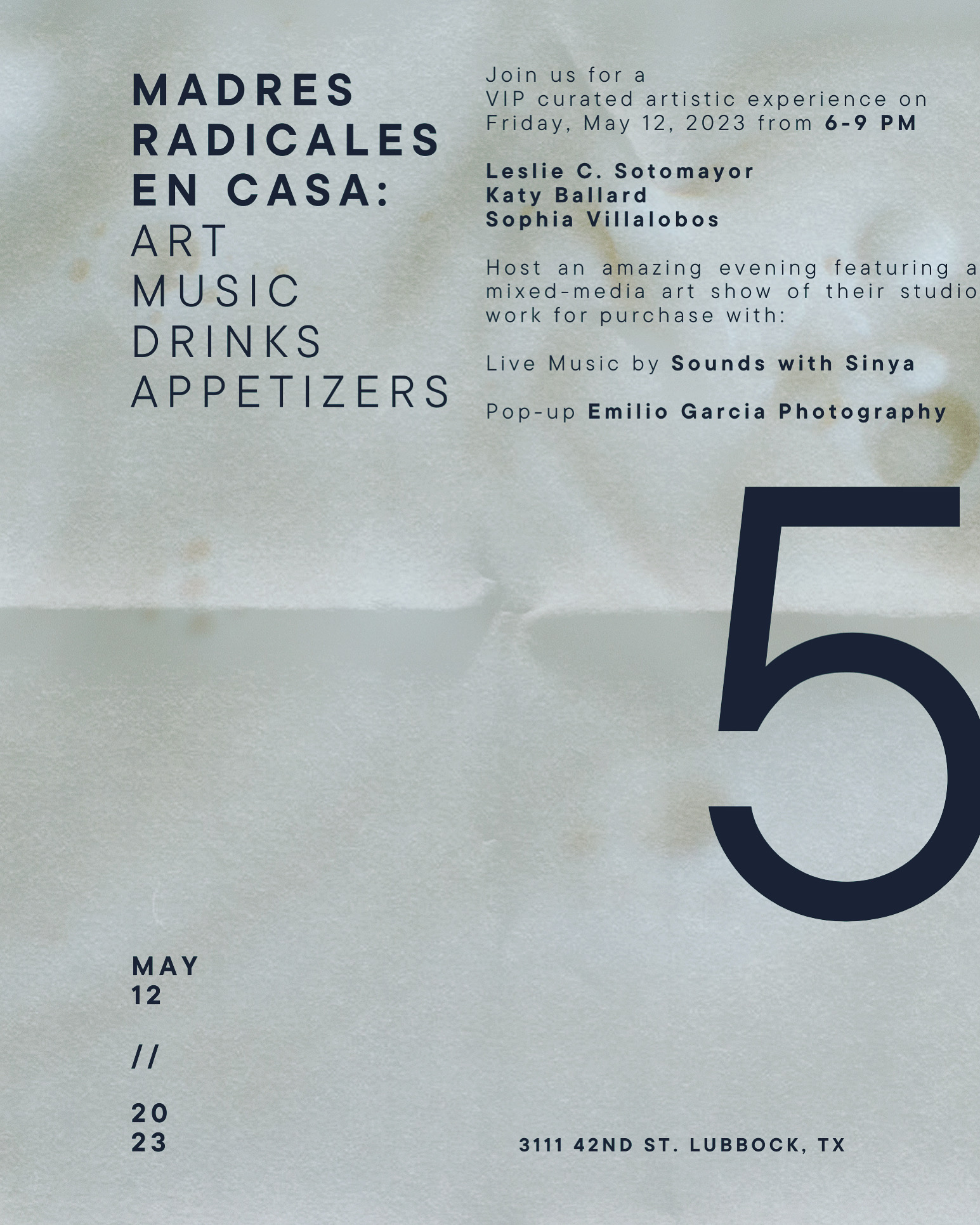
The spring of 2023 was a season of transition. Leslie was preparing to move for a new teaching position, and I was planning a trip to Lubbock to spend Mother's Day with my mom. We all understood that maintaining our creative connection would require intention.
By then, Leslie and Sophia had already begun imagining Madres Radicales. They called to share the name, explain what it meant to them, and invite me into the collaboration. I immediately said yes.
What excited me was not only the opportunity to exhibit artwork together, but the possibility of creating something larger than an exhibition. Even in those early conversations, the focus was on relationships, storytelling, gathering, and making space for people to connect through creative practice.
I still remember where I was when the project truly began. I was outside painting my front door turquoise when the three of us connected on FaceTime. During that conversation, we brainstormed what Madres Radicales could become. We talked about art, friendship, family, community, and the challenges of staying connected across distance. Leslie was preparing for a major move, and I was getting ready to travel to Lubbock to see my mom for Mother's Day.
By the time the call ended, we had a plan. We would host the first Madres Radicales gathering in Leslie's home.
Once the idea was in motion, the work began.
Leslie, Sophia, and Leslie’s daughter spent time making artwork together in Leslie’s backyard, sharing materials, ideas, stories, and creative energy in preparation for the gathering. Although each of us brought our own artistic practices to the project, the process itself was deeply collaborative.
Held on Mother’s Day weekend in May 2023, the event felt fitting from the very beginning.
Leslie’s house was nearly empty, packed in preparation for her move. For one weekend, however, it became something else entirely.
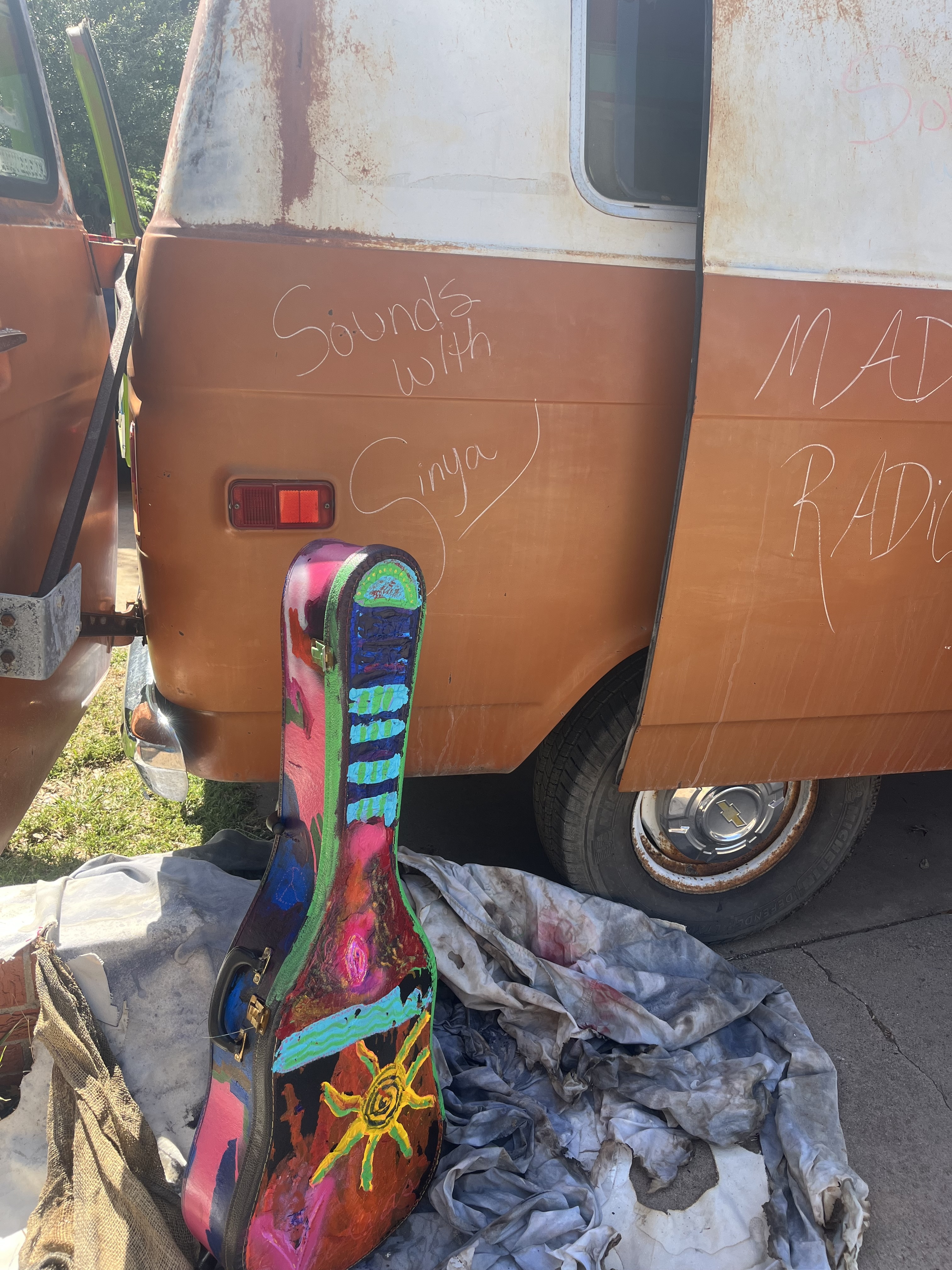
We arrived early and spent the day transforming the space together. We installed artwork, cooked food, cleaned rooms, rearranged furniture, hung banners, and prepared for guests. Leslie’s beloved old van made several trips hauling artwork, displays, signs, food, and supplies. Like so many community art projects, it seemed to appear wherever something needed to be moved and quickly became part of the story itself.
What had been a house in transition became a gallery and gathering place.
The exhibition reflected the community that was forming around the project. Leslie shared her paintings. Sophia exhibited fiber works. I brought pottery and ceramics. My mother contributed crocheted blankets, hats, koozies, and other handmade pieces. Leslie’s daughter also displayed artwork, creating an intergenerational space for creativity and expression. Emilio Garcia contributed photography and found-object works, while Sounds with Sinya set up in the front yard. Music drifted through the house and yard as guests arrived.
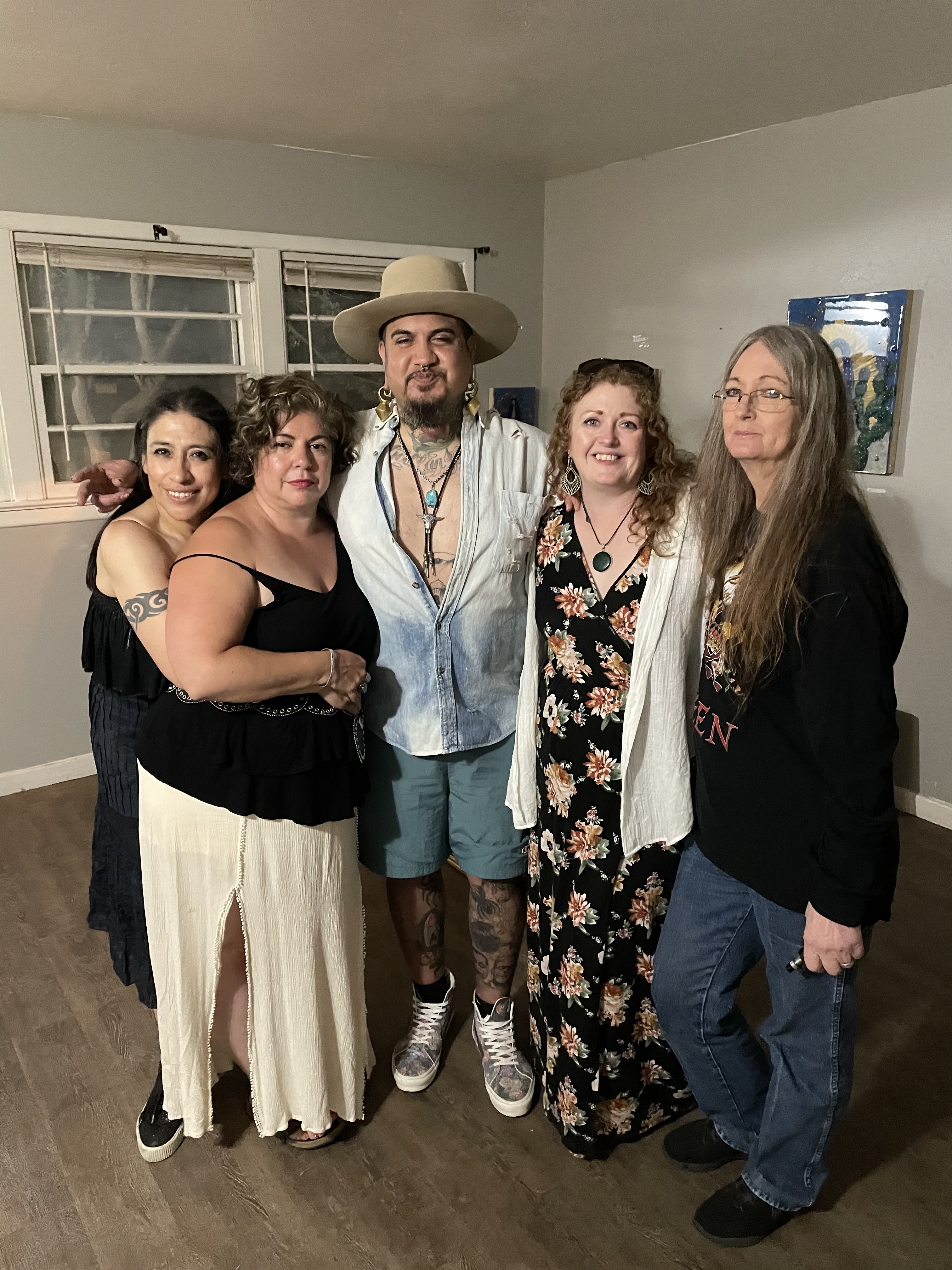
The gathering was intergenerational from the beginning. Mothers, daughters, friends, artists, educators, musicians, and community members all became part of the experience. Women’s and Gender Studies colleagues stopped by in support. Community members moved between rooms filled with conversation, artwork, food, and music. New relationships formed. Existing friendships deepened.
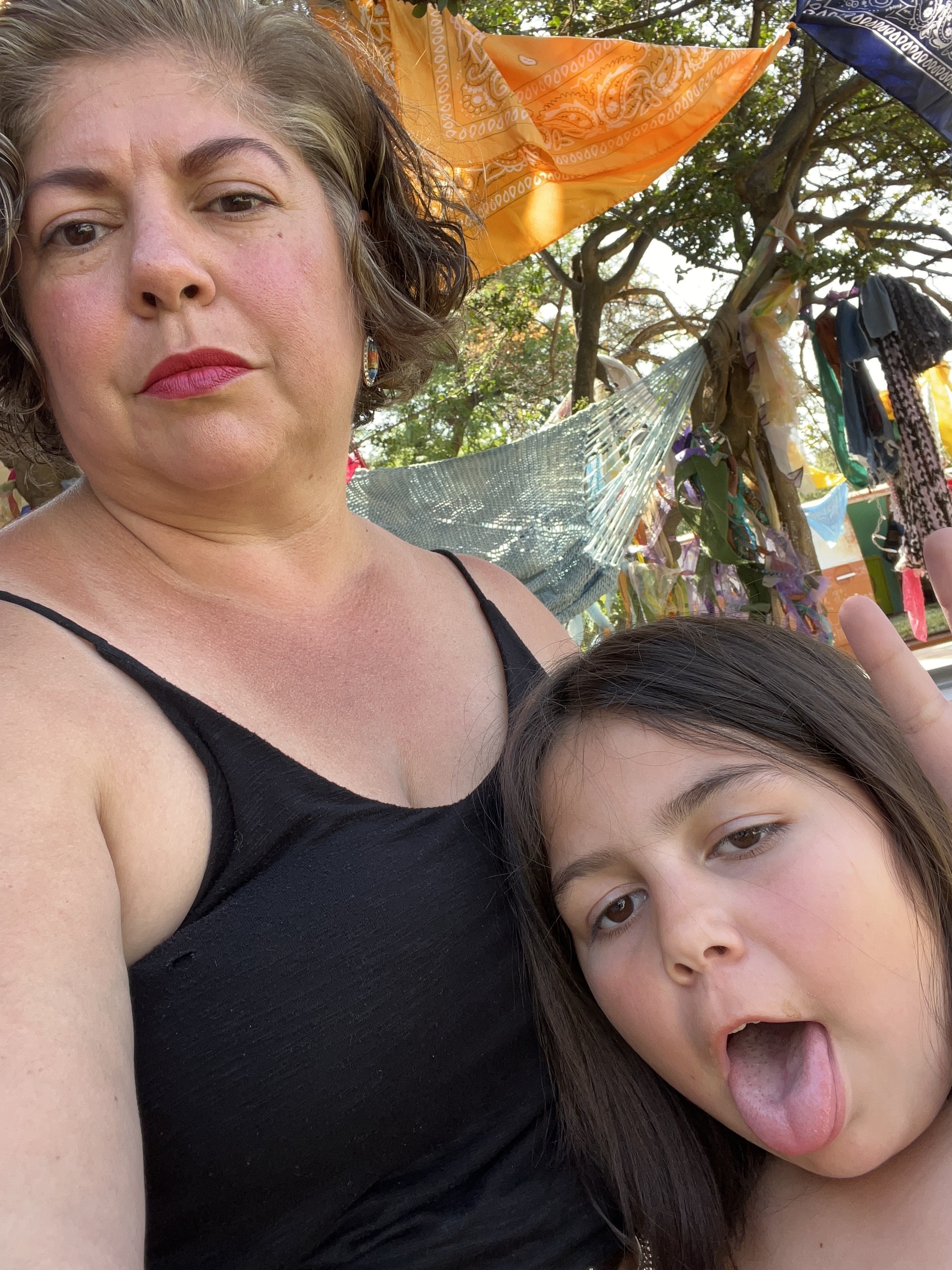
One of my favorite memories is watching Sophia and my mother become friends. What began through the exhibition continued long after the evening ended.
Before we even began install, the three of us stepped barefoot into the yard.
We held hands, took three deep breaths together, and offered gratitude to our ancestors, our communities, and the forces that had brought us to that moment. We asked for the evening to unfold well.
That simple act became a ritual that continued throughout future Madres Radicales gatherings.
By evening, the house had become more than a gallery. It was a gathering, a happening, a space where art, food, music, storytelling, and community existed together.
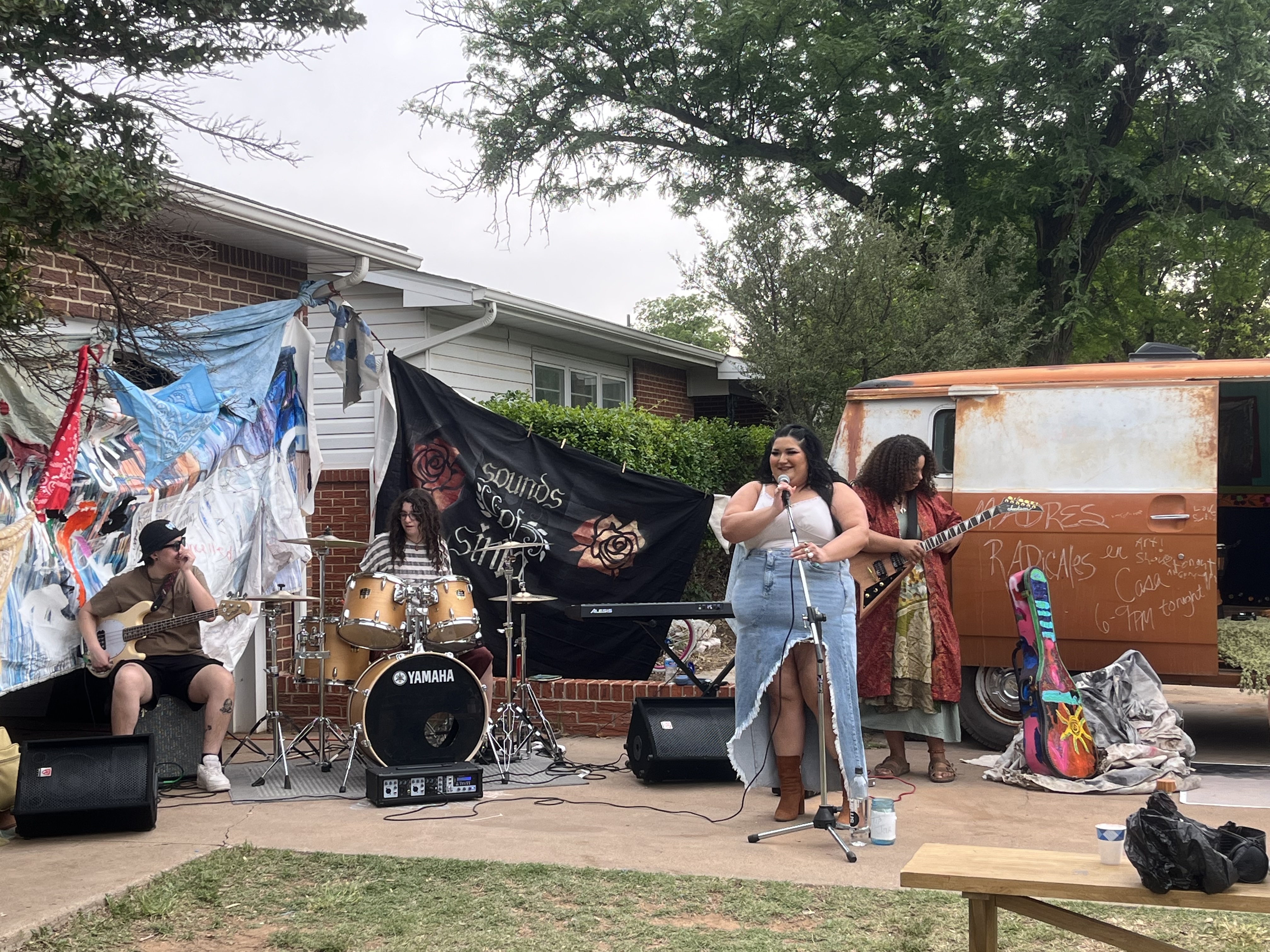
The night was everything we had hoped it would be.
Artwork was sold. Food was shared. Music filled the air. Stories were exchanged. Friendships were made. A former director purchased some of my ceramics, which felt like a meaningful affirmation of my creative work. More importantly, people stayed. They lingered. They talked. They connected.
At the time, we thought we were creating an exhibition.
Looking back, I realize we were creating a community.
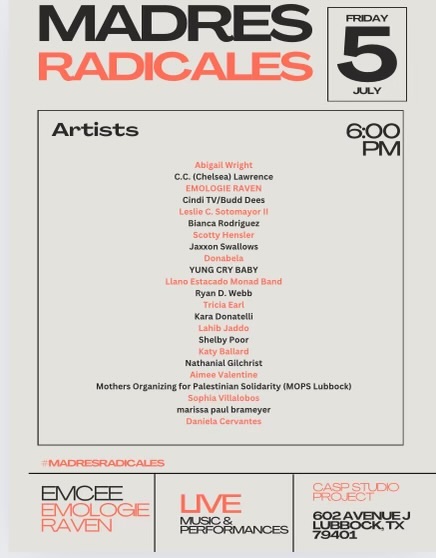
What began as a Mother’s Day gathering among friends would eventually grow into four iterations of Madres Radicales, including virtual creative gatherings, community workshops, performances, and collaborations with 27 artists. Along the way, it helped us understand something we continue to explore through WTF today: creative acts are not only the things we make. They are the relationships we nurture, the communities we build, and the spaces we create for one another.
Everything that came later, including WTF: The Other F Word, grew from that first gathering. We will discuss our other Madres Radicales community spaces in future blog posts. Here is some information about them.
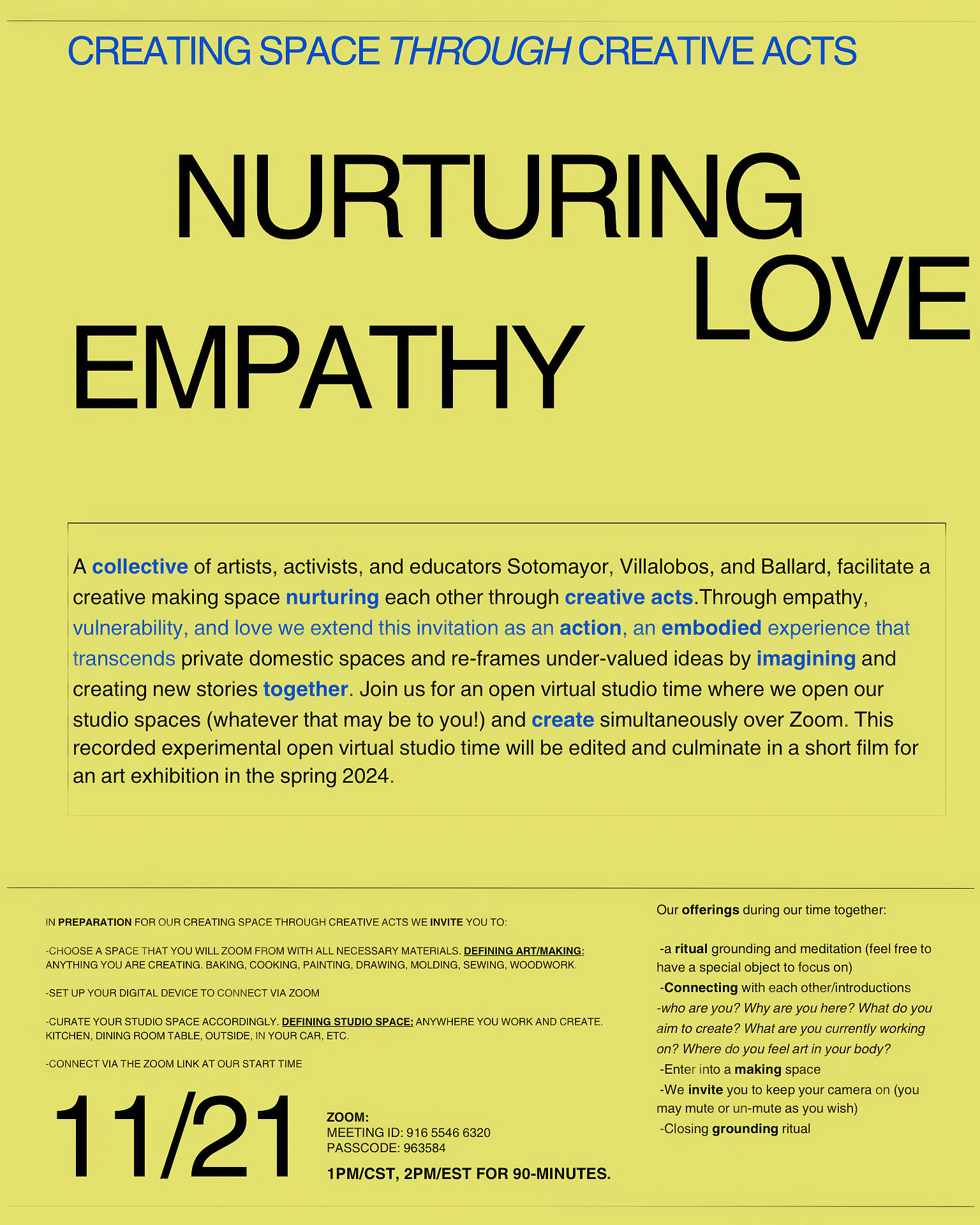
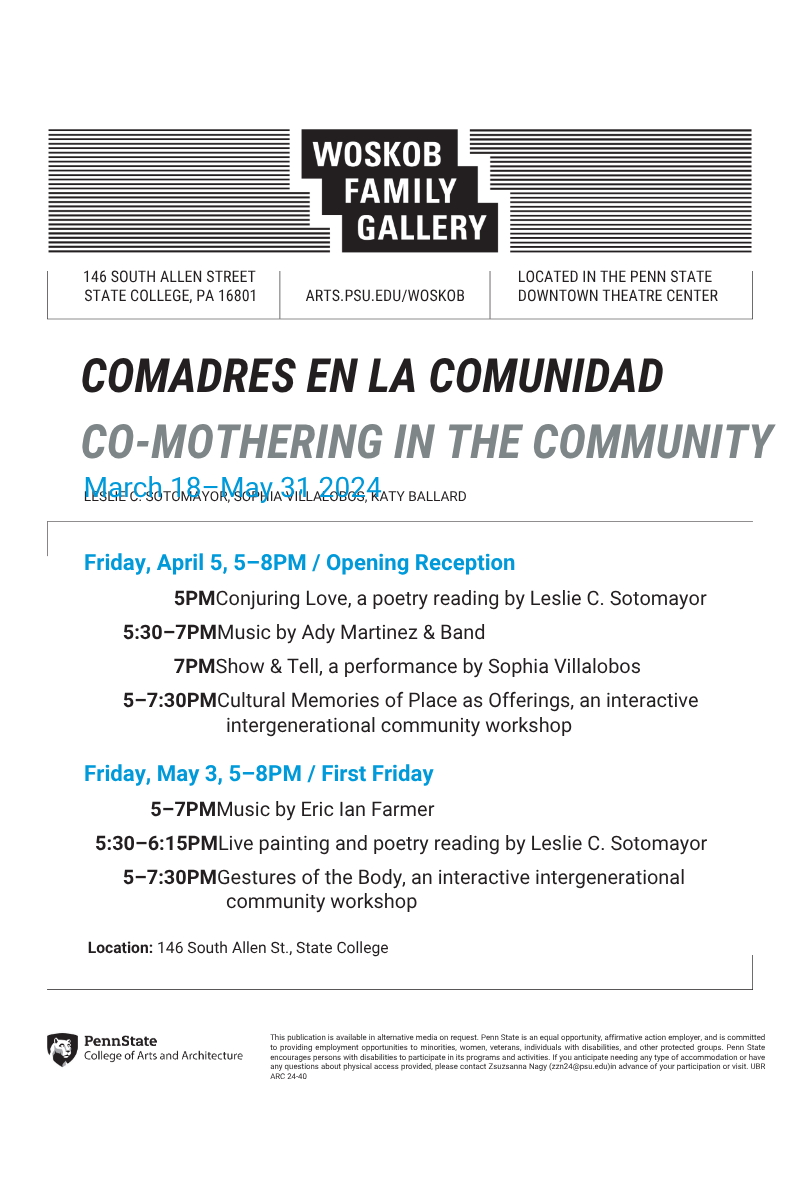
WTF: The Other F Word is a warm, artist-led space for curious creatives ready to trust themselves, honor their boundaries, and build a practice that feels honest, sustainable, and fully their own.
Stay in the loop
Get new episodes, notes, and artist-led reflections from WTF: The Other F Word. Thoughtful updates for creatives exploring self-trust, care, and feminist practice.
Occasional emails only. No spam, no gatekeeping, and you can unsubscribe anytime.